
Agriculture for the Future
Transforming subsistence farming into sustainable livelihoods through leadership training and community-led field schools.
From Subsistence to Surplus
We work directly with villagers and subsistence farmers to move beyond day-to-day survival. Our approach combines Leadership Farming Training with practical agroecology. By increasing yields, we create a direct support system for Primary Education, ensuring that harvest surplus funds our satellite schools and early childhood development centers.
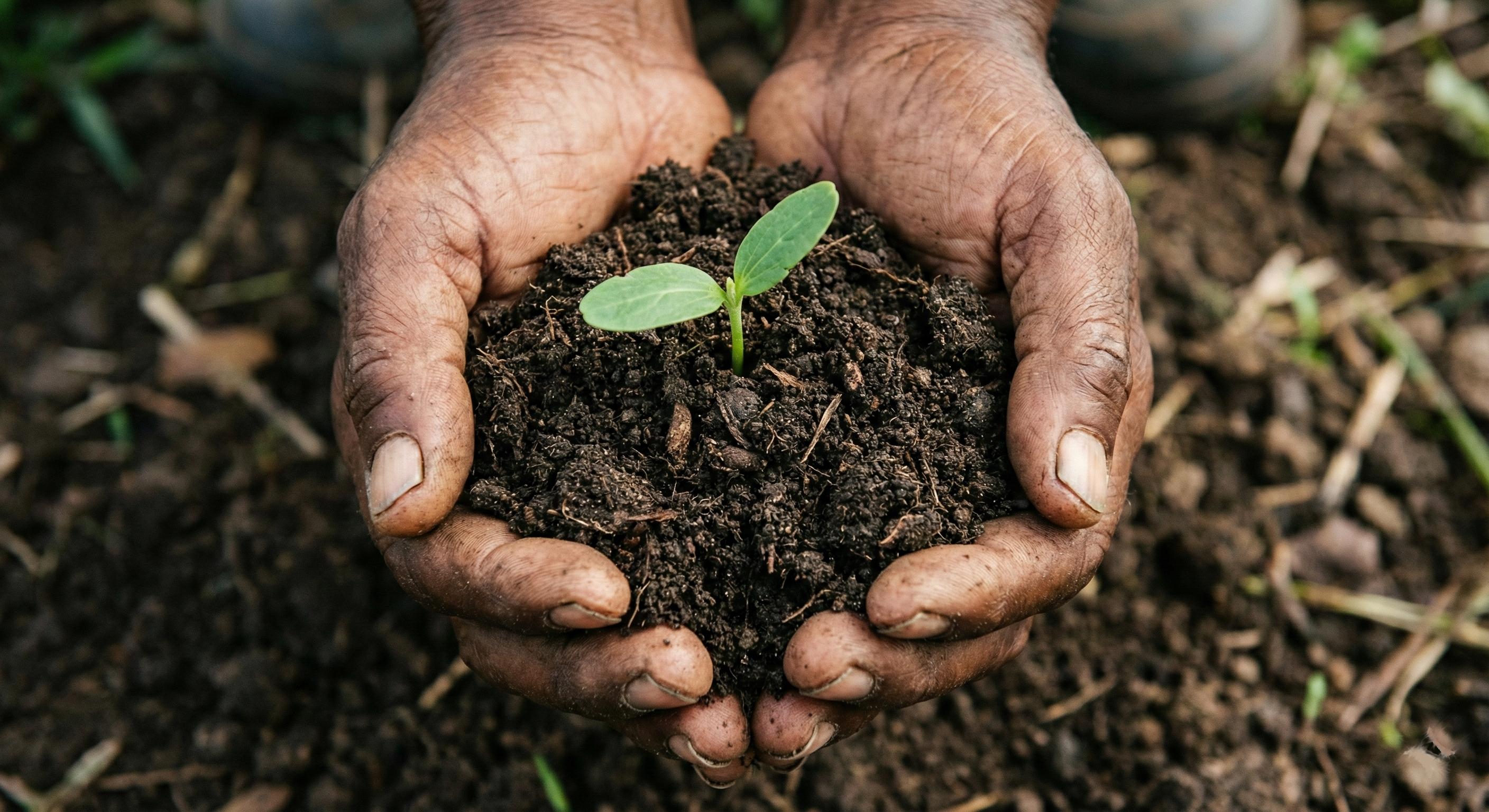
Technical Methodology
Our curriculum focuses on proven agronomic practices that restore soil health and increase yield per hectare.
Composite Manure
We promote the use of organic composite manure to restore carbon to the soil. This improves soil structure and water retention significantly better than synthetic fertilizers.
Intercropping Systems
Planting compatible crops together (e.g., maize with legumes). This maximizes land use, fixes atmospheric nitrogen naturally, and reduces pest pressure.
Agroforestry
Integrating trees into crop farming to prevent soil erosion and provide shade. Trees act as windbreaks and create a micro-climate favorable for crops.
Indigenous Knowledge
Blending modern science with traditional wisdom. We utilize drought-resistant local seeds that are adapted to the specific regional climate.
Community Implementation
We don't just teach farming; we build community structures. By organizing villagers into groups and training local leaders, knowledge stays in the village long after the harvest.
Farmers Meet Periodically
Weekly field analysis and group learning sessions.
Supporting Primary Education
Proceeds assist local satellite schools.
Leadership Farming Training
We identify and train 'Lead Farmers' within the village. These individuals receive advanced instruction to become mentors for their community.
Farmer Field Schools
A school without walls: Farmers meet periodically (weekly) in the fields to observe crop stages, solve problems together, and learn by doing.
Compost & Inputs
Moving away from expensive chemicals, we focus on making high-quality composite manure and using intercropping to reduce input costs.
Support for Education
The program includes a commitment: a portion of the increased yield supports the local Satellite Schools and Early Childhood Development centers.
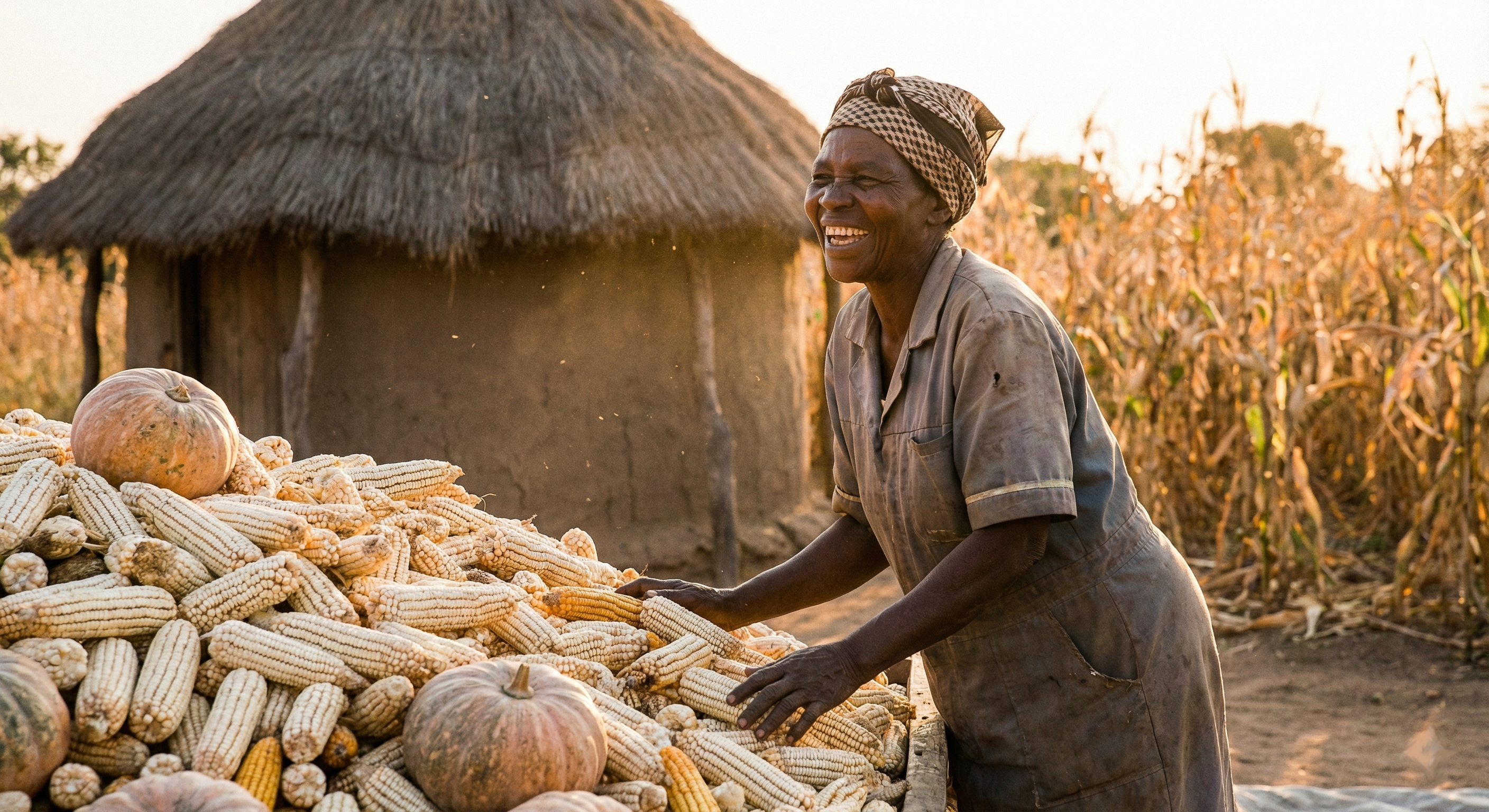
"Knowledge is the best fertilizer."
"Through the Leadership Farming Training, I learned to use composite manure instead of buying expensive bags. My maize, intercropped with beans, is now feeding my family and paying for my children's primary education fees."